How to Prepare for a Visit from a Pest Control Company Miami Gardens FL

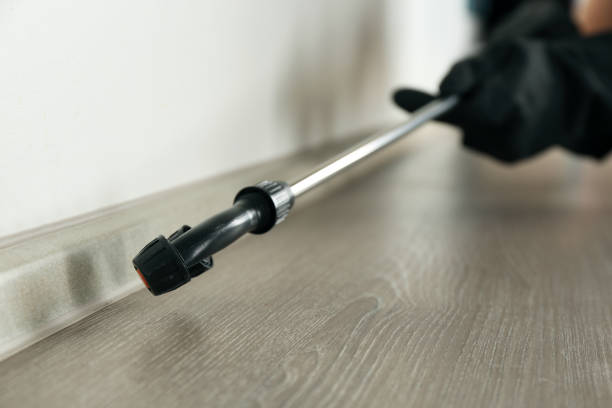
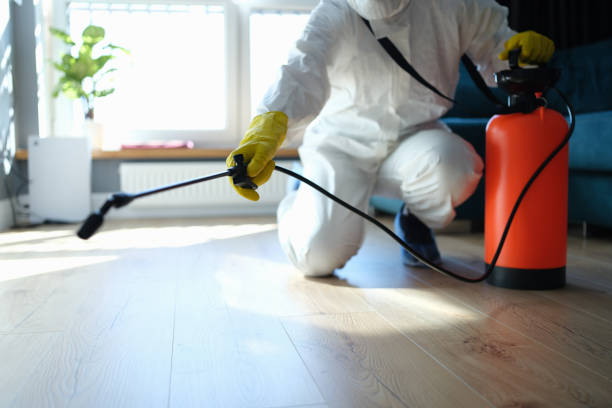
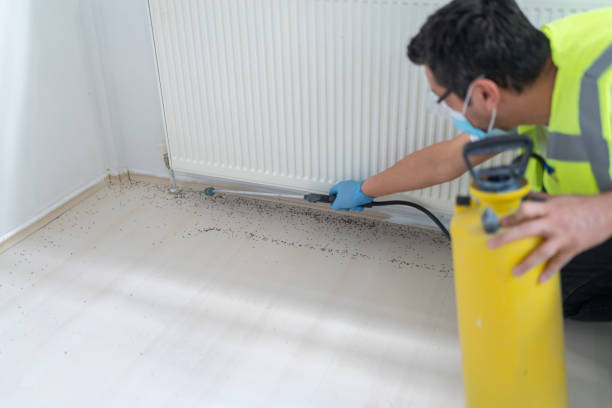
Professional exterminator in work wear spraying pesticide or insecticide with sprayer tank. Professional exterminator in work wear spraying pesticide or insecticide with sprayer tank. Pest Control stock pictures, royalty-free photos & images

When hiring a professional exterminator, understanding what to expect during their visit can help you feel more comfortable and prepared. Pest control services often follow a structured process, ensuring that the infestation is effectively addressed. Below is an overview of what typically happens during an extermination appointment and how you can prepare your home for it.

What to Expect During the Visit

  1. The exterminator starts by conducting a thorough inspection of your property.
  2. They identify the type of pests present, locate entry points, and assess the severity of the infestation.
  3. This phase may also involve checking for nests, droppings, or structural damage caused by pests.
  4. After the inspection, the exterminator explains their findings.
  5. They outline a customized treatment plan designed to eliminate the specific pests in your home.
  6. You may also receive recommendations for follow-up treatments or preventive measures.
  7. The exterminator applies pest control solutions (e.g., sprays, baits, traps) in targeted areas.
  8. Depending on the type of pest and method used, treatments might include eco-friendly or chemical-based solutions.
  9. Some focus areas often include kitchens, basements, attics, and entry points like windows and doors.
  10. Once the treatment is complete, the expert provides advice on aftercare.
  11. You may be instructed to avoid cleaning treated areas or leave certain bait stations undisturbed for several days.
  12. In cases of severe infestations or persistent pests like termites or bed bugs, follow-up visits might be recommended.
  13. The technician will discuss timelines and additional steps required for long-term success.

How to Prepare Your Home for an Extermination Service

  1. Vacuum floors and carpets thoroughly to remove food crumbs that attract pests.
  2. Clear clutter from corners where insects or rodents may hide.
  3. Seal all food items in airtight containers before treatment begins.
  4. Remove fresh fruits from countertops or visible surfaces in kitchens.
  5. Move furniture away from walls so technicians can access baseboards and hard-to-reach areas.
  6. Clear storage spaces like under sinks where pests commonly reside.
  7. Place toys, stuffed animals, and other personal items in storage bins or plastic bags to prevent exposure to chemicals.
  8. Keep pets away from treated areas during service.
  9. Arrange temporary accommodations if required for sensitive animals such as birds or reptiles.
  10. Notify your exterminator if anyone in your household has allergies or sensitivities that could be triggered by certain chemicals used during treatment.
Preparation Checklist
Clean floors and surfaces
Move furniture if necessary
Secure food items
Protect children’s belongings
Arrange care for pets

By following these steps and understanding what occurs during a professional visit, you can ensure that both you and your home are ready for efficient pest control services while minimizing disruption to daily life. Preparing adequately not only improves outcomes but also helps prevent re-infestations in the future.

How to Effectively Prepare Your Home for an Exterminator Miami Gardens FL Service

Proper preparation before an extermination service is crucial for its success. Taking the right steps ensures that the pest control methods applied by professionals are effective and that your home remains safe during and after the treatment. Below is a guide to help you effectively prepare your home for an extermination service.

1. Communicate With Your Pest Control Provider

  • Speak with the exterminator beforehand to understand the specific type of treatment being applied.
  • Confirm whether any special preparations are necessary based on the type of pests being targeted (e.g., bed bugs, termites, cockroaches).
  • Ask about any safety precautions or post-treatment restrictions you should be aware of.

2. General Cleaning and Decluttering

  • Vacuum floors, carpets, and upholstery: This helps remove dirt, debris, and some pests like fleas or bed bugs.
  • Eliminate clutter: Move furniture away from walls to provide clear access to baseboards, corners, and hidden areas.
  • Clear countertops: Remove all food items, small appliances, and utensils from kitchen counters to allow treatment in food preparation areas.
Area Preparation Steps
Kitchen Empty cabinets; seal food
Living Areas Move furniture; declutter
Bedrooms Strip bedding; move items

3. Protect Food Items and Utensils

  • Store all perishable food items in sealed containers or remove them from your home temporarily.
  • Cover dishes, pots, pans, and utensils with plastic wrap or place them in cabinets that will not be treated.
  • For refrigerator-stored items, ensure they remain sealed.

4. Focus on Specific Pest Preparation Needs

  • For Bed Bugs: Launder sheets, pillowcases, curtains, and other fabric at high temperatures before treatment begins. Place clean items in sealed plastic bags until after service completion.
  • For Cockroaches: Empty pantry shelves entirely if treating for kitchen-inhabiting roaches; dispose of old paper products such as cardboard boxes where roaches often nest.
  • For Rodents: Identify entry points around doors or windows where technicians may use traps or sealants.

5. Plan for Pet Safety

  • Arrange temporary relocation for pets during chemical treatments (especially birds or reptiles).
  • Remove pet bedding, toys, food bowls from treated areas beforehand.

6. Address Exterior Areas

  • Trim overgrown vegetation near foundations/patio doorways preventing insect entry pathways.

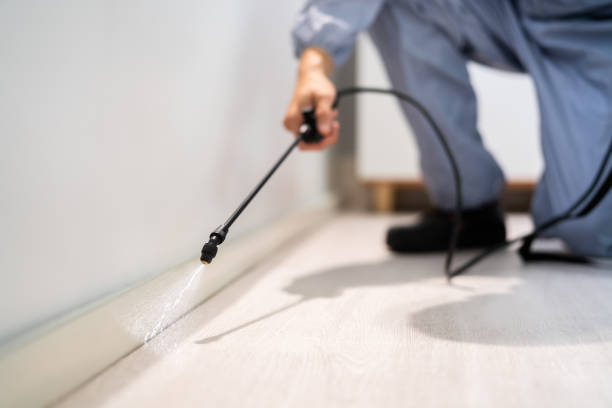
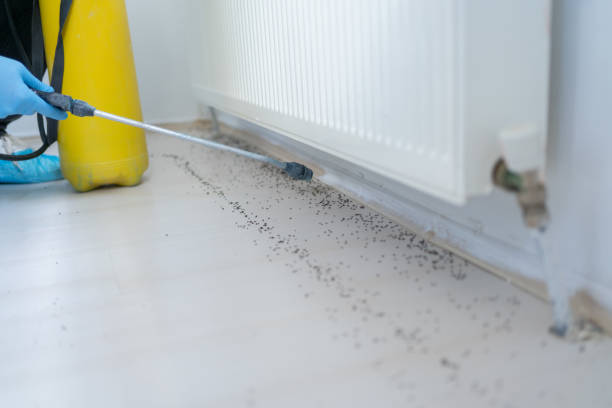
Pest control worker spraying pesticide indoors, closeup Pest control worker spraying pesticide indoors, closeup Pest Control stock pictures, royalty-free photos & images

Tips for Preparing Your Home for Miami Gardens Pest Removal Services

Proper preparation is key to ensuring the success of pest control treatments. Taking the right steps before an exterminator arrives can help them work efficiently and maximize the effectiveness of the treatment. Here’s a detailed guide on how to prepare your home prior to a professional extermination service.

Declutter and Clean Key Areas

Pests thrive in cluttered areas, making it important to remove obstructions and debris that may give them shelter or allow pests to evade treatment.
Clear floors: Remove toys, shoes, or other objects on the floor, especially near walls or corners.
Organize closets: Clear out items stored near baseboards, where pests often hide or nest. – Vacuum carpets and rugs: This helps eliminate pest eggs, droppings, or food crumbs that may attract insects or rodents. – Wipe down surfaces: Ensure countertops, sinks, and tables are clean to remove food residue.

Protect Food Items and Utensils

Exterminators use chemicals that may linger temporarily in your home. It’s essential to safeguard any consumables or kitchenware from contamination.
– Store all perishable food in airtight containers or remove it from the treatment area entirely.
– Cover utensils, dishes, cookware, and appliances with plastic sheeting or store them inside cabinets.
– If possible, relocate open pantry items like cereals and grains into sealed containers.

Pay Attention to Specific Pest Concerns

Preparation steps may vary depending on the type of pest infestation you’re dealing with:
For cockroaches: Empty kitchen cabinets completely since these pests often hide in dark crevices near food sources.
For bed bugs: Launder bedding, sheets, curtains, and clothing in hot water and dry them at high heat before treatment begins. Vacuum mattresses thoroughly and encase them if recommended by your exterminator. – For rodents: Identify entry points such as holes in walls or gaps under doors for sealing after treatment.

Create Accessibility for Exterminators

To enable pest control professionals to perform thorough inspections and treatments:
– Move furniture away from walls so exterminators can access baseboards where pests tend to gather. – Empty cabinets under sinks in kitchens and bathrooms so technicians can treat plumbing entry points. – Provide clear access to attics, basements, crawl spaces, or other areas where pests may nest.

Remove Pets from Treated Spaces

Pets should not be exposed to pesticides during application. Take these steps:
1. Relocate pets (including fish tanks) outside of the treatment area until it is safe for reentry. 2. Remove pet bedding and toys from areas being treated. 3. Consult your exterminator about when it is safe for pets to return post-treatment.

Communicate With Your Exterminator

Before your scheduled service:
– Ask if there are specific preparation steps unique to your home’s layout or type of infestation. – Share information about any known pest activity (e.g., sightings of nests or droppings) so they can focus on problem areas.

Preparing a Checklist

Task Status
Declutter living spaces [ ] Not Done
Clean floors & vacuum carpets [ ] Not Done
Protect food & cover kitchenware [ ] Not Done
Empty kitchen cabinets (Cockroach issue) [ ] Not Done
Launder bedding (Bed bug issue) [ ] Not Done
Move furniture away from walls [ ] Not Done
Secure pets & relocate pet supplies [ ] Not Done

Proper preparation not only saves time but also ensures effective elimination of pests while reducing risks associated with pesticide exposure during treatment sessions.

What to Expect After Miami Gardens FL Pest Control Professionals Treat Your Home

After a professional exterminator has treated your home, there are several important steps and considerations to ensure the effectiveness of the treatment and maintain a pest-free environment. Understanding what to do post-treatment will help you maximize the benefits of pest control services.

Effective Pest Control Service Miami Gardens FL: What to Do After Treatment

  1. Follow the Exterminator’s Instructions
    The exterminator will provide specific guidelines based on the type of treatment applied. These instructions may include:
  2. Avoiding certain areas for a specified period.
  3. Ventilating your home if chemicals were used.
  4. Cleaning surfaces only after enough time has passed for the treatments to be effective.
  5. Wait Before Cleaning
    Pesticides and other treatments may require time to settle and work effectively. Refrain from deep cleaning immediately after treatment, especially in areas where pesticides have been applied, such as baseboards or corners.
  6. Monitor Pest Activity
    You may still observe some pest activity in the days following treatment as pests are exposed to residual chemicals or bait systems begin taking effect. This is normal, but excessive activity beyond a week should be reported to your exterminator.

Common Post-Treatment Observations

Observation Explanation
Increased Pest Visibility Some pests become more active before dying due to exposure to treatments.
Dead Insects or Rodents You may find dead pests in treated areas as they succumb to the pesticides.
Continued Pest Presence Residual infestations can occur; follow-up treatments may be necessary.

Long-Term Maintenance Tips

  • Seal Entry Points: Identify cracks, crevices, or gaps around windows, doors, and pipes that could act as entry points for pests and seal them with caulk or weatherproofing materials.
  • Keep Food Stored Properly: Use airtight containers for food storage and avoid leaving crumbs or spills uncleaned.
  • Maintain Cleanliness: Regularly vacuum carpets, rugs, and upholstered furniture where insects might hide.
  • Inspect for Signs of Recurrence: Look out for pest droppings, nests, or damaged property that may indicate new activity.

When Follow-Up Treatments Are Needed

  • Severe infestations that cannot be completely eradicated in one session.
  • Structural challenges that allow pests continued access.
  • Ineffective homeowner maintenance post-treatment leading to reinfestation.

Benefits of Communication with Your Exterminator

  • Ask about safe cleaning practices post-treatment.
  • Clarify timelines for returning to normal household routines.
  • Report any pest resurgence immediately so adjustments can be made efficiently.

Taking these measures ensures not just short-term relief but also long-lasting protection against pests within your home environment.

Understanding Whether It Is Safe to Stay in Your Home After Pest Control Treatments

When scheduling a pest control treatment, one of the most common concerns homeowners face is whether it is safe to remain in their homes afterward. The answer largely depends on the type of pest control service, the chemicals used, and the specific guidelines provided by your exterminator. Below is a breakdown of factors that determine safety and actions you might need to take.

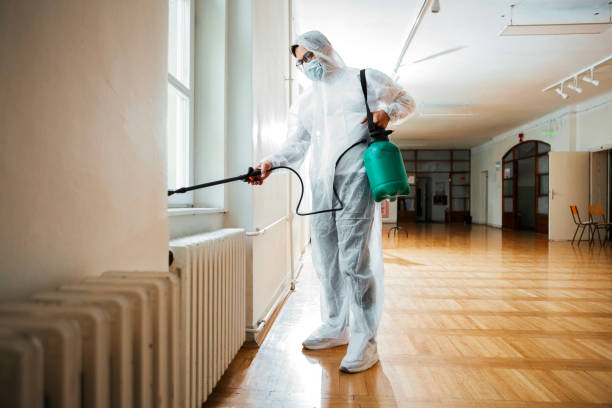
Pest Control Exterminator Man Spraying Pesticide Pest Control Exterminator Man Spraying Termite Pesticide In Office Pest Control stock pictures, royalty-free photos & images

Factors Influencing Safety After Treatment

  1. Chemical Treatments: If synthetic pesticides are applied, it’s often recommended to vacate the area for a few hours or more depending on toxicity levels.
  2. Natural or Non-Toxic Solutions: Many pest control companies offer eco-friendly treatments that may not require you to leave your home.
  3. Fumigation: Whole-house fumigations (often used for termites) typically necessitate vacating your home for 24-72 hours.
  4. Ventilation Needs Proper ventilation is crucial after certain types of treatments. Some chemicals can leave behind residues or odors that dissipate faster with open windows or running fans.
  5. Localized treatments (e.g., a single room or outdoor spraying) may allow you to safely stay in unaffected areas of your home.
  6. Comprehensive indoor treatments might require leaving temporarily until all spaces are deemed safe.
  7. Pest Type The type of infestation being addressed—such as ants, cockroaches, bedbugs, or termites—can influence whether it’s necessary to leave your home due to the intensity and scope of treatment solutions.

Steps You Can Take for Safety

  • Follow Exterminator Instructions: Always adhere strictly to any post-treatment guidelines provided by the professional. They will inform you about re-entry times and any cleaning precautions required.
  • Check Label Information: Many pest control products have detailed safety instructions on their labels regarding human and pet exposure.
  • Wait Time Recommendations: | Treatment Type | Recommended Wait Time | |——————————|———————————–| | General Chemical Sprays | 2–4 hours | | Fogging/Fumigation | 24–72 hours | | Eco-Friendly Solutions | Immediate re-entry (in some cases)|

Special Considerations for Sensitive Groups

  1. Children & Pets
    Young children and animals are more sensitive to chemical exposure due to their lower body weight and increased proximity to treated surfaces like floors or furniture. Keep them out of treated areas for longer periods as recommended.
  2. Allergies & Respiratory Conditions
    Individuals with asthma, allergies, or other respiratory conditions should err on the side of caution by staying away until any lingering odors have dissipated completely.

Questions To Ask Your Exterminator

To ensure clarity before treatment begins, consider asking: – How long should I wait before returning? – Are treated areas safe for pets and children? – Is there anything I need to clean post-treatment? – Are there precautions for sensitive individuals?

By understanding these factors and taking appropriate precautions, homeowners can ensure their safety while effectively addressing pest problems in their living space without unnecessary risk.

The Importance of Scheduling Regular Termite Inspections Before Damage Occurs

Termites are often referred to as “silent destroyers” due to their ability to cause significant structural damage without immediate detection. Scheduling regular termite inspections is an essential step in maintaining the integrity and safety of your home or property. Below, we explore why these inspections are critical, what they involve, and how consistent monitoring can prevent costly repairs.

Why Regular Termite Inspections Are Critical

  • Early Detection Saves Money: Termites can live undetected in walls, floors, and other areas of a structure for extended periods. Regular inspections help identify infestations before they escalate into expensive repairs.
  • Protecting Structural Integrity: Termites feed on wood and cellulose materials, which can weaken the structural framework of a building over time. Early detection prevents dangerous deterioration.
  • Preventing Long-Term Infestations: Once termites establish a colony on your property, they can multiply rapidly. Annual or biannual inspections help catch infestations during the early stages when treatment options are less invasive.

What Happens During a Professional Termite Inspection?

A professional termite inspection typically follows a systematic approach to assess your home’s vulnerability to termites and identify any existing activity.

  1. Inspecting the foundation for mud tubes (a common sign of subterranean termites).
  2. Checking wooden structures around the home (fences, decks) for damage or signs of infestation.
  3. Assessing areas where wood meets soil—a high-risk zone for termite entry.
  4. Examining baseboards, wooden flooring, window frames, and ceilings for visible damage or hollow sounds when tapped.
  5. Using advanced tools like moisture meters or thermal imaging cameras to detect hidden colonies behind walls.
  6. Looking for discarded wings or frass (termite droppings) that indicate active termites in your space.
  7. Detailed Report:
    After completing the inspection, professionals provide a detailed report outlining their findings and recommending treatment options if necessary.

Recommended Frequency for Termite Inspections

Property Type Inspection Frequency Notes
Residential Homes Annually Necessary even if there’s no history of infestation.
Homes with History Every 6 months Increased frequency helps monitor recurrence risks.
Commercial Properties Biannually Especially crucial for buildings with large wooden frameworks.

How Regular Inspections Prevent Expensive Repairs

  • Detecting termites early reduces damages that could cost thousands in repair bills.
  • Professionals may offer preventive treatments like soil barriers or baiting systems during inspections.
  • Regular checks ensure small issues don’t escalate into full-blown infestations requiring fumigation or extensive reconstruction.

Proactive Steps Between Inspections

  • Store firewood at least 20 feet from your house and off the ground.
  • Repair leaks promptly since moist environments attract termites.
  • Maintain proper ventilation in basements and crawl spaces to reduce humidity levels.
  • Avoid stacking mulch directly against your home’s foundation.

By committing to routine termite inspections and adopting preventive practices, you can protect your property from costly damage while ensuring long-term peace of mind regarding pest control concerns.

The Importance of Scheduling Regular Termite Inspections Before Damage Occurs

Termites are among the most destructive pests to homes and buildings, causing billions of dollars in damage annually. These silent invaders can go unnoticed for years, all the while compromising the structural integrity of your property. Scheduling regular termite inspections is a proactive approach to protecting your investment and minimizing potential risks.

Why Regular Termite Inspections Are Essential

  1. Regular inspections can identify termite infestations early, before they cause significant structural damage to your home or building.
  2. Early detection allows for prompt treatment, which is often more cost-effective and less invasive.
  3. A termite infestation can negatively affect the resale value of your property. Demonstrating proof of regular inspections reassures potential buyers that the property has been well-maintained.
  4. Some homeowner insurance policies or local regulations may require periodic pest or termite inspections to ensure compliance and coverage eligibility.
  5. Repairing damage caused by termites can be expensive, involving structural fixes that might require extensive renovation work.
  6. Preventative measures through regular inspections can save thousands in repair costs.

Recommended Frequency for Termite Inspections

Risk Factor Recommended Inspection Frequency
High-risk areas (warm/humid climates) Every 6 months
History of previous infestations Every 6 months
New construction homes Annually until proven termite-free
Homes surrounded by dense vegetation Annually

What Happens During a Termite Inspection?

  • Examine key areas like wooden structures, foundations, basements, crawl spaces, attics, and exterior walls.
  • Look for signs such as mud tubes (used by termites to travel), discarded wings near windows or doors, hollow-sounding wood when tapped, and visible damage.
  • Assess moisture levels since damp environments are conducive to termites.
  • Provide a detailed report on findings along with recommendations for treatment if necessary.

Signs You Might Need an Immediate Inspection

  • Unexplained cracks in walls or ceilings.
  • Piles of what appear to be sawdust near wooden structures.
  • Clicking sounds within walls (a potential indicator of termites eating wood).
  • Swarmers (winged termites) inside or around your property.

Steps You Can Take Between Inspections

  1. Eliminate excess moisture around your home by fixing leaks promptly.
  2. Keep firewood stored at least 20 feet away from the house.
  3. Seal cracks in foundations and walls to deny easy entry points for pests.
  4. Trim vegetation so it doesn’t touch the home’s exterior structure.

Regular termite inspections should not be overlooked as part of routine maintenance for your property. They offer peace of mind while safeguarding against one of the most damaging pests you could encounter as a homeowner or property manager.


How to Prepare Your Home for a Miami Gardens FL Pest Control Visit

isinfection of premises from insects and rodents with chemicals isinfection of premises from insects and rodents with chemicals. Plumber spray on the background of apartment and pest control Pest Control stock pictures, royalty-free photos & images

Preparing your home before a professional exterminator arrives is an essential step in ensuring the effectiveness of pest control treatments. Proper preparation not only maximizes the service’s impact but also protects your family, pets, and belongings during the process. Below, we provide detailed guidance on how to ready your home for a pest control visit.

Why Preparation Matters

  • Enhanced Efficiency: Proper preparation allows exterminators to reach all necessary areas without obstruction, ensuring comprehensive coverage.
  • Safety: Cleaning and organizing your home minimizes exposure to chemicals and keeps you and your family safe.
  • Time Savings: A well-prepared home helps professionals complete their tasks efficiently without delays caused by clutter.

General Preparation Checklist

  1. Remove items from floors in areas where pests have been spotted.
  2. Clear furniture or objects blocking access to walls or corners so that pest control professionals can inspect and treat those spaces thoroughly.
  3. Vacuum floors, carpets, and upholstery to eliminate food crumbs or pest debris that could reduce treatment effectiveness.
  4. Wipe down surfaces to remove grease or residue that might attract pests.
  5. Store all food in tightly sealed containers or remove it from the kitchen temporarily.
  6. Place utensils, dishes, and cups inside cabinets or drawers, covering them with plastic wrap if necessary.
  7. Follow exterminator instructions regarding whether you need to vacate specific rooms during treatment.
  8. Arrange accommodations for pets if they could be exposed to harmful chemicals.
Living Rooms
  • Remove decorative items like rugs, cushions, or throw blankets if they may obstruct access to wall edges.
  • Check behind couches and under furniture for signs of infestations such as droppings or nests.
Bedrooms
  • Strip bedding from mattresses if bed bugs are being treated.
  • Move furniture away from walls so exterminators can inspect crevices thoroughly.
Bathrooms
  • Remove hygiene products like toothbrushes, razors, and towels from exposed surfaces.
  • Ensure drains are clear of clogs since standing water can attract pests like cockroaches or ants.

Protecting Pets During Pest Control Treatments

  • Relocate aquariums outside of treatment zones; ensure they are covered securely.
  • Remove pet bedding, toys, food bowls, and litter boxes from areas being treated.
  • Keep pets in a separate location until it is safe for them to return (your pest control professional will provide specific guidelines).
Task Action Needed Notes
Decluttering Move items off floors Focus on corners & near baseboards
Cleaning Vacuum & wipe down surfaces Avoid leaving out any food
Protecting Food/Kitchenware Seal all food & cover utensils Use airtight containers
Pet Safety Relocate animals & secure habitats. Follow vet-approved measures

Properly preparing your home not only improves the effectiveness of an extermination service but also ensures that treatments are carried out safely with minimal disruption. By following the steps above diligently, you’ll help create an environment conducive to eradicating pests while protecting what matters most—your family’s health and safety.

How to Prepare Your Home When Hiring a Pest Control Company Miami Gardens FL

Proper preparation is crucial when scheduling pest control services to ensure an effective extermination process. Taking the time to ready your home allows exterminators to work efficiently and thoroughly while minimizing any disruptions or risks. Below are the key steps you should follow before your scheduled pest control service.

1. Clean and Declutter Your Spaces

  • Vacuum floors and carpets: This removes crumbs, pests, eggs, or debris that might hinder treatment effectiveness.
  • Declutter infested areas: Clear spaces like basements, attics, or closets where pests may nest. Stack items neatly or relocate them temporarily if necessary.
  • Wipe surfaces: Tables, countertops, and shelves should be cleared of food particles or spills that attract pests.

2. Protect Food, Utensils, and Personal Items

To prevent contamination by pest control chemicals, secure all consumables and personal belongings appropriately.

  • Store food in airtight containers or remove it from the treatment area entirely.
  • Cover or relocate cookware, dishes, utensils, pet bowls, and water dispensers.
  • Use plastic covers for bedding or furniture if advised by your exterminator.
Items Suggested Storage Solutions
Pantry staples (rice/flour) Airtight containers/ziplock bags
Fruits/vegetables Refrigerate/remove from rooms
Small electronics Store in sealed storage bins

3. Access Key Areas of the Home

  • Move furniture away from walls so exterminators can check baseboards and cracks.
  • Clear under-sink cabinets in kitchens and bathrooms for ant or cockroach treatments.
  • Provide access to attics, crawlspaces, basements, or utility rooms as required.

4. Safeguard Pets and Plants

Pets are especially vulnerable during pest treatments due to exposure risks from toxic chemicals.

  • Relocate pets (including fish) to a safe area outside the home during treatment hours.
  • Remove pet bedding or cages if they’re near infestation zones.
  • Cover aquariums with plastic wrap but keep air filtration systems running.
  • Move houseplants outdoors temporarily if treatments will be sprayed indoors.

5. Follow Exterminator-Specific Instructions

For example:
Flea Control Preparation – Vacuum carpets thoroughly before treatment begins. – Wash pet bedding at a high temperature.

Bed Bug Treatment – Launder linens at high heat prior to service. – Empty drawers of infested furniture so they can be inspected thoroughly.

Speak with your exterminator beforehand for detailed instructions tailored to your situation.

By following these steps carefully ahead of time you’ll create an environment conducive to effective pest control treatments while safeguarding your household items and loved ones during the process.

Steps to Prepare Your Home for an Exterminator Miami Gardens FL Services

Preparing your home before a professional pest control treatment is essential to maximize the effectiveness of extermination services. By taking the necessary steps, you can ensure the process is efficient and help safeguard your family and property from future infestations. Below, we outline key steps and considerations to prepare for pest control services.

Exterminator in work spraying pesticide or insecticide with sprayer Exterminator in work spraying pesticide or insecticide with sprayer Pest Control stock pictures, royalty-free photos & images

1. Clean Your Home Thoroughly

A clean home not only aids exterminators in accessing all areas but also removes food debris and clutter that may attract pests. Follow these cleaning tips:
Vacuum carpets, rugs, and floors to remove crumbs, dust, and pest eggs.
Wipe down surfaces, especially kitchen countertops, where pests are likely to gather.
Empty trash bins in all rooms of your home.

2. Declutter Affected Areas

Pests often hide in cluttered spaces, making it harder for professionals to reach their hiding spots:
– Remove items like old newspapers, cardboard boxes, or unnecessary storage containers from affected areas. – Organize belongings stored near walls or floors so exterminators can easily access corners or crevices.

3. Secure Food Items

To prevent contamination during treatment:
– Store food items in airtight containers or move them out of treated areas completely. – Remove pet food dishes and store pet food securely.

Food Storage Checklist Actions
Dry foods (cereal, grains) Seal in airtight containers
Fresh produce Move to refrigerator
Pet food Store tightly sealed away from treatment zones

4. Cover or Remove Furniture

Depending on the type of pest being treated:
– Move furniture away from walls so professionals can access baseboards and corners. – Cover large furniture items like sofas with plastic sheeting, particularly if sprays or fumigation methods are being used.

5. Safeguard Children’s Items

Children’s toys and personal belongings should also be protected during pest control treatments:
– Put all toys into sealed boxes or bags. – Wash bedding used by children before returning it to treated rooms.

6. Plan Temporary Relocation if Necessary

Some treatments may require you or your family members (including pets) to leave the house temporarily due to chemical exposure risks:
– Confirm with the exterminator how long you’ll need to vacate the premises. – Arrange alternate accommodations for pets.

7. Communicate with Your Exterminator

Effective communication with your pest control company ensures that both parties are aligned on expectations and preparations:
– Discuss any specific concerns about infestation areas prior to their visit. – Ask about post-treatment cleaning requirements so you’re ready once they finish their work.

By following these steps carefully, not only will you optimize the effectiveness of professional pest control services but also create an environment less conducive to future infestations. Preparing thoroughly demonstrates a proactive approach that supports both short-term extermination needs and long-term prevention goals.

Important Steps for Miami Gardens Pest Removal and Bed Bug Extermination

1. Declutter Your Home

Reducing clutter in your home makes it easier for exterminators to access hidden areas where bed bugs may reside. Follow these guidelines:
– Remove any unnecessary items from floors, under beds, and inside closets. – Avoid transferring clutter to another room, as this can spread the infestation. – Store essential items in sealed plastic bags or bins until after the treatment.

2. Wash and Dry Fabrics

Bed bugs frequently hide in fabrics such as clothing, bedding, and curtains. It’s critical to treat these items before professional services begin:
– Launder all washable fabrics on high heat (at least 120°F) to kill bed bugs and their eggs.
– Dry cleaned-only materials should be placed in a dryer on high heat if possible or handled according to dry cleaning instructions. – Place cleaned fabrics in airtight bags or containers until after extermination.

3. Vacuum Thoroughly

Vacuuming helps remove visible bed bugs, eggs, and debris while reducing hiding spots:
– Pay close attention to mattresses, box springs, carpet edges, furniture seams, and baseboards. – After vacuuming, seal vacuum bags in plastic bags before disposing of them outside your home.

4. Dismantle Bed Frames and Furniture

Inspecting and treating furniture is a critical part of bed bug extermination. Prepare accordingly by:
– Dismantling bed frames so that all joints and crevices are accessible for treatment. – Emptying drawers of dressers, nightstands, and other furniture near sleeping areas. – Moving furniture at least two feet away from walls so professionals can treat baseboards.

5. Protect Personal Belongings

To prevent reinfestation or contamination during the process:
– Store electronics such as laptops or phones in sealed containers when not in use. – Inspect luggage or backpacks thoroughly if they were recently used during travel.

Items Preparation Steps
Bedding & Linens Wash/dry on high heat; store securely
Clothing Launder properly; seal cleaned items
Furniture Empty drawers; move away from walls
Electronics Place valuable devices into sealed cases

6. Inform Your Exterminator About Specific Concerns

Be sure to communicate with the pest control professional about any specific areas of concern or particularly severe infestations you’ve observed. This will enable them to tailor their approach for maximum effectiveness.

By preparing your home with these steps before a professional visit, you can greatly increase the likelihood of eliminating bed bugs completely while protecting your living environment from further issues.

What to Expect from a Pest Control Service in Miami Gardens FL

When dealing with an insect infestation, turning to a professional exterminator ensures effective and lasting results. Understanding what to expect during comprehensive insect control services can help you prepare your home and maximize the success of the treatment. Below is an overview of what to anticipate when hiring professionals for insect control.

Inspection and Assessment

  • Identify the type of insects causing the issue (e.g., ants, cockroaches, termites, or wasps).
  • Locate entry points, nests, and breeding grounds.
  • Assess the severity of the infestation and determine areas needing targeted treatment.

Following this assessment, they will provide you with a detailed plan outlining their proposed treatment methods.

Customized Treatment Plans

  • Chemical Treatments: Use of EPA-approved pesticides applied in targeted areas to eliminate pests effectively while minimizing risks to humans and pets.
  • Non-Chemical Methods: Implementation of traps, heat treatments, or vacuuming for environmentally sensitive settings or where chemical use is restricted.
  • Integrated Pest Management (IPM): Combining various techniques such as sanitation improvements, habitat modification, and baiting systems for long-term results.

Before any treatment begins, professionals will explain these options thoroughly and address any concerns you may have.

Exterminator Applying Pesticide with Sprayer Exterminator in work spraying pesticide or insecticide with sprayer Pest Control stock pictures, royalty-free photos & images

Preparation Instructions for Homeowners

  1. Declutter Affected Areas: Remove items near walls or infested zones so technicians can access baseboards or cracks where pests hide.
  2. Clean Surfaces: Wipe down counters and floors to eliminate food residues that attract insects.
  3. Vacate During Treatment: Depending on the chemicals used, you may need to leave your home temporarily during and after application.
  4. Protect Belongings: Cover sensitive items like furniture or electronics if advised by your exterminator.

These steps ensure that treatments are applied efficiently while reducing risks during application.

Follow-Up Visits and Maintenance Plans

  • Professionals check for residual pests.
  • Additional treatments may be applied if needed.
  • Recommendations are provided for improving home maintenance strategies (e.g., sealing cracks or fixing leaks).

Some companies offer periodic maintenance plans which include regular inspections and preventive measures designed to keep your home pest-free year-round.

Benefits of Hiring Professional Exterminators

Benefit Description
Expertise Technicians are trained in identifying pests accurately and applying targeted solutions.
Efficiency Treatments are faster acting with longer-lasting results compared to store-bought products.
Safety Professionals use regulated chemicals safely while ensuring minimal harm to occupants.
Long-Term Prevention Proactive measures reduce the likelihood of future infestations significantly.

Hiring an experienced exterminator ultimately saves time, effort, and costs associated with recurring pest problems.

Understanding what professional insect control entails allows homeowners to collaborate effectively with exterminators toward achieving a pest-free environment in their homes. By preparing adequately beforehand and following post-treatment recommendations diligently, you can enjoy a healthier living space free from unwanted guests like insects all year round.

Effective Rodent and Bird Control Solutions for a Pest-Free Home

Rodents and birds can cause significant damage to your property, health, and peace of mind. A pest-free home requires a combination of professional extermination services and proactive preventative measures. Below, we explore effective rodent and bird control solutions to ensure your home remains pest-free.

Common Issues Caused by Rodents and Birds

  • Rodents gnaw on wires, insulation, furniture, and even structural components.
  • Birds can clog gutters with their nests, leading to water damage.
  • Rodents carry diseases such as Hantavirus and Salmonella.
  • Birds may spread illnesses like Histoplasmosis or Psittacosis through droppings.
  • Both rodents and birds reproduce rapidly, making infestations harder to control over time.

Professional Solutions for Rodent Control

  1. Identifying entry points such as cracks in walls or poorly sealed windows.
  2. Locating nesting sites and food sources.
  3. Use of baited traps (snap traps or live-capture traps) placed strategically for maximum impact.
  4. Electronic traps may also be employed in sensitive areas.
  5. Poison bait stations placed in secured areas inaccessible to pets and children.
  6. These stations are designed to eliminate large rodent populations systematically.
  7. Sealing entry points with steel wool, caulk, or mesh screens post-removal.
  8. Installing door sweeps to prevent rodents from re-entering.

Effective Bird Control Strategies

  1. Installation of bird spikes on ledges or rooftops to prevent roosting.
  2. Netting systems used in larger spaces like warehouses or courtyards to block access.
  3. Application of gel-based repellents that create an unpleasant surface for landing.
  4. Ultrasonic devices that emit high-frequency sounds only birds can hear.
  5. Safe removal of nests located in chimneys, gutters, or attics while adhering to local wildlife regulations.
  6. Falconry Services (For Severe Cases):
    In some cases where other methods fail, trained falcons may be temporarily introduced on-site by professionals to deter problematic bird species naturally.

Preventative Measures for Long-Term Pest Control

  • Keep food stored securely in sealed containers made of metal or thick plastic.
  • Regularly clean up crumbs and spills from kitchen counters and floors.
  • Trim tree branches near your roofline that might provide access points for birds or rodents.
  • Secure lids tightly on trash cans both indoors and outdoors.
  • Inspect your attic regularly for signs of nesting materials like shredded paper or feathers.
Pest Type Common Entry Points Effective Preventative Action
Rodents Cracks in walls/foundations Seal gaps with steel wool & caulk
Birds Chimneys/gutters/rooftops Install netting/spikes; remove old nests

By combining professional extermination services with diligent efforts at home, you can effectively protect your property from rodent and bird infestations while maintaining a safe living environment for your family.

Preparing Your Kitchen and Living Spaces for an Effective Extermination Process

A professional extermination service is essential for maintaining a pest-free home, but the success of the process also depends on how well you prepare your kitchen and living spaces. This preparation ensures that the treatment is thorough, efficient, and safe. Below are detailed steps to help you get your kitchen and living areas ready before exterminators arrive.

Steps to Prepare Your Kitchen

The kitchen is a high-traffic zone for pests due to food storage and preparation. Proper preparation in this area helps maximize the effectiveness of extermination treatments.

  1. Remove all utensils, small appliances (toasters, coffee makers), and decorative items from countertops.
  2. Wipe down surfaces with a mild cleaning solution to clear away crumbs or food residue.
  3. Seal all food in airtight containers or remove it from the kitchen temporarily.
  4. Place utensils, dishes, pots, and pans in cabinets or cover them securely with plastic sheets.
  5. Take out items stored in cabinets or drawers that might be treated during extermination (e.g., under-sink cabinets).
  6. Wipe down these areas to clear dust or food remnants.
  7. Sweep and mop floors to remove debris or spilled food particles that might attract pests during treatment.
  8. Unplug appliances such as microwaves or refrigerators if necessary (confirm with your pest control provider).

Tips for Preparing Living Spaces

Living rooms, bedrooms, and other common areas also require attention before an exterminator visit to ensure proper pest control treatment coverage.

  • Declutter Rooms:
    Remove clutter such as stacks of newspapers, magazines, cardboard boxes, or other items that could provide hiding spots for pests.
  • Vacuum Carpets and Rugs:
    Vacuuming helps eliminate dust mites, insect eggs, or debris that might interfere with pesticide application.
  • Move Furniture Away from Walls:
    Shift furniture like sofas, chairs, or tables at least one foot away from walls to give exterminators access to baseboards where pests often hide.
  • Protect Soft Furnishings:
    Cover fabrics (sofas, chairs) with plastic sheeting if instructed by your pest control professional.

Essential Safety Measures

  • Keep pets confined to a separate room during the process.
  • Notify exterminators about infants’ play areas so they can take additional care when treating those sections.
  • Inform household members about restricted spaces after treatment until it’s safe to re-enter treated zones based on expert recommendations.

Table: At-a-Glance Checklist for Preparation

Area Key Actions Notes
Kitchen Clear countertops; store food securely Focus on cleaning hidden spots
Living Spaces Declutter rooms; vacuum carpets Pay extra attention near walls
Safety Precautions Isolate pets; inform about sensitive spaces Follow professional guidelines

Proper preparation ensures a seamless experience during pest extermination while safeguarding your home environment. Adhering closely to these steps makes it easier for professionals to address pest issues effectively while minimizing post-treatment disruptions in your daily routine.

Preparing Your Kitchen and Living Spaces for an Effective Extermination Process

Proper preparation of your kitchen and living spaces is vital to ensure the success of any extermination process. By taking specific steps before the professionals arrive, you not only help them perform their job more effectively but also safeguard your belongings and minimize disruption to your daily routine. Follow these guidelines to prepare your home thoroughly.

Steps to Prepare Your Kitchen

The kitchen is often a hotspot for pests due to readily available food and water sources. Properly preparing this area can make pest control treatments more efficient.

  • Clean Counters and Surfaces: Remove all food crumbs, grease, and spills from countertops, stovetops, and other surfaces.
  • Empty Cabinets: Clear out cabinets and drawers where pests might hide or where chemical treatments may be applied.
  • Store non-perishable items in sealed plastic containers.
  • Place perishable foods in the refrigerator or an airtight cooler.
  • Wash Dishes: Clean all dishes, utensils, pots, and pans before treatment day. Store them in a secure location like a dishwasher or plastic bins with lids.
  • Remove Appliances: Move small appliances (toasters, coffee makers) away from walls to allow easier access for exterminators.
Area Task Notes
Countertops Wipe clean Avoid using harsh cleaning agents
Cabinets Empty entirely Use sealed storage containers
Sink Clear dirty dishes Dry completely after cleaning
Trash Bins Empty and sanitize Dispose of waste properly

Preparing Living Spaces

Living areas also need attention during extermination processes as pests can hide anywhere in the home.

  • Clear floors of items like toys, magazines, or clutter that could obstruct access to baseboards or corners.
  • Minimize objects on shelves so exterminators can treat hard-to-reach areas effectively.
  • Focus on vacuuming under furniture such as sofas or beds where pests might reside.
  • Dispose of the vacuum bag immediately in a sealed garbage bag outside of your home.
  • Use plastic covers or sheets to protect furniture from potential chemical residue during treatment.

Additional Steps for Both Areas

  1. Move Large Furniture Pieces: Relocate couches, tables, refrigerators, or heavy chairs at least two feet away from walls so technicians can treat cracks and crevices effectively.
  2. Secure Pets and Plants: Temporary relocation of pets (including aquariums) is recommended along with moving sensitive plants outdoors if possible.

Aftercare After Extermination

Once professionals complete their work: – Wait for the recommended time before entering treated areas. – Wipe down surfaces meant for food preparation but avoid deep cleaning immediately as it may dilute pesticides applied by exterminators.

Proper preparation creates a pest-free environment while ensuring effective results from professional services.


Comprehensive Insights Into What an Exterminator Miami Gardens FL Can Do for Professional Pest Control Services

Pest Control Services Male Worker Spraying Insecticide With Sprayer At Home Pest Control stock pictures, royalty-free photos & images

An exterminator plays a pivotal role in maintaining health, safety, and comfort by managing pest infestations in residential, commercial, and industrial spaces. These professionals are trained to identify, manage, and eliminate various pests that can cause structural damage, spread diseases, and create discomfort. Understanding their roles offers a clearer perspective on how they contribute to pest-free living environments.

Key Responsibilities of an Exterminator

  1. Conduct thorough inspections of properties to identify pest infestations.
  2. Assess the type of pests present (e.g., rodents, insects, termites) and evaluate the extent of the infestation.
  3. Examine entry points such as cracks, windows, drains, or ventilation systems.
  4. Differentiate between species to tailor treatment plans appropriately.
  5. For example: | Pest Type | Common Indicators | |——————-|————————————–| | Termites | Mud tubes on walls or wood damage | | Rodents | Droppings or gnaw marks | | Cockroaches | Egg cases or musty smells |
  6. Design solutions that address the specific needs of the customer while considering safety requirements.
  7. The plans may include chemical treatments (like insecticides), non-chemical options (such as traps), or integrated pest management (IPM) techniques.
  8. Apply pesticides safely using sprays or fumigation techniques for insects like bed bugs and cockroaches.
  9. Set up traps for rodents in locations where they are most active.
  10. Implement physical barriers to prevent future infestations.
    • Sealing cracks in walls or foundations.
    • Keeping food stored in airtight containers.
    • Maintaining clean living environments to deter pests from nesting.
  11. Conduct follow-up visits to ensure effectiveness of treatments.
  12. Adjust plans if necessary based on pest activity after initial interventions.

Skills Required for a Professional Exterminator

  • Attention to Detail: Spotting signs like droppings, damaged materials, or unusual smells early is crucial for effective eradication.
  • Problem-Solving Abilities: Assessing infestation patterns allows exterminators to choose strategies that deliver long-term results.
  • Strong Knowledge Base: Understanding chemical compositions, safety protocols when handling pesticides, and local regulations ensures compliance with industry standards.

Tools Commonly Used by Exterminators

Tool Purpose
Sprayers Applying liquid insecticides
Fogging Machines Dispersing chemicals in hard-to-reach areas
UV Flashlights Locating bed bugs during inspections
Snap Traps Catching rodents

Why Hire an Exterminator?

  • Access to specialized equipment not available commercially.
  • Expertise in identifying hidden nesting locations that may otherwise be overlooked.
  • Ability to utilize environmentally friendly solutions where appropriate.

A Guide to Miami Gardens FL Pest Control and the Most Common Extermination Methods

Pest control treatments are essential for maintaining clean, safe, and healthy spaces in both residential and commercial environments. These treatments target a wide variety of pests, including insects, rodents, and other unwanted creatures that can damage property or pose health risks. By understanding the most common methods of extermination, homeowners and business owners can make informed decisions when dealing with infestations.

Common Pest Control Methods

  1. Insecticides: These are specifically designed to kill insects such as ants, roaches, spiders, and flies. They come in sprays, powders, or liquids depending on the application.
  2. Rodenticides: Targeting rodents like mice or rats, these chemicals include bait stations or traps infused with poison.
  3. Fumigation: A more intensive method often used for severe infestations where an entire building may be sealed off and treated with gaseous pesticides.
    • Ladybugs can be used to reduce aphid populations.
    • Nematodes (microscopic worms) may be introduced into soil to kill grubs or termites.
    • Traps: Sticky traps for insects like cockroaches or snap traps for rodents.
    • Screens: Installing window screens to prevent flying insects from entering homes.
    • Sealing cracks: Blocking potential entry points for pests using caulk or other materials.
  4. Integrated Pest Management (IPM)
    Integrated Pest Management is a holistic approach where multiple methods are combined:
  5. Monitoring pest activity through inspections.
  6. Employing preventive measures such as better sanitation and structural repairs.
  7. Using targeted chemical applications only when necessary.
  8. Heat Treatments
    This method involves raising the temperature within a space to levels lethal for certain pests like bed bugs. Heat treatments are chemical-free and effective but require specialized equipment.

Key Factors That Determine Treatment Selection

Factor Importance
Type of Pest Identifying the specific pest determines which treatment will be most effective.
Infestation Severity Larger infestations may require more aggressive solutions such as fumigation or multiple visits.
Home Environment Homes with pets or children often need non-toxic alternatives like IPM or biological controls.
Structural Conditions Cracks in walls, damp areas, or clutter can influence treatment choice and effectiveness over time.

Benefits of Professional Pest Control Treatments

  • Expertise in identifying hidden infestations within walls or floors.
  • Access to advanced equipment unavailable commercially for DIY use.
  • Long-term prevention strategies implemented alongside immediate removal tactics.

Pest control treatments play a fundamental role in maintaining a hygienic environment while preventing costly damage caused by unchecked pest populations over time. With advancements in technology and eco-conscious techniques now widely embraced by professionals across industries alike—effective extermination has become safer than ever before without compromising results that truly last long-term solutions growingly preferred globally too today .

young man chooses to use termite control chemicals that are not toxic to humans mixed with water in tank for spraying to eliminate termites. enabling young man to spray termite repellant by himself young man chooses to use termite control chemicals that are not toxic to humans mixed with water in tank for spraying to eliminate termites. enabling young man to spray termite repellant by himself Pest Control stock pictures, royalty-free photos & images

Effective Miami Gardens Pest Removal: A Guide to Common Extermination Methods

Pest control treatments are essential for managing and eliminating pests that can harm human health, damage property, or disrupt everyday life. Professional exterminators use a variety of methods tailored to the type of pest, the severity of the infestation, and the environment in which the pests are found. Understanding these treatments can help homeowners and businesses make informed decisions when facing pest problems.

Effective Pest Control Service Miami Gardens FL: Types of Treatments

1. Chemical Treatments

  • Residual Sprays: Applied to surfaces where pests travel or hide.
  • Baits and Gels: Used for targeted pest control by attracting pests to consume poisoned food (commonly used for ants and cockroaches).
  • Fumigation: A comprehensive solution where an entire structure is sealed and filled with gas to eradicate pests such as termites or bed bugs.

2. Biological Control

  • Introducing ladybugs or parasitic wasps to control aphids in gardens.
  • Using nematodes (microscopic worms) to target soil-based insects like grubs.

This environmentally friendly option is often used in agricultural settings.

3. Mechanical & Physical Control

  • Installing traps (e.g., mouse traps, sticky traps).
  • Using barriers like screens on windows and doors.
  • Employing vacuuming techniques for insects like bed bugs.

4. Heat Treatment

Heat treatment eliminates bed bugs and other heat-sensitive pests through sustained high temperatures in affected areas or furniture items.

Comparison Table: Common Pest Control Methods

Method Best For Pros Cons
Chemical Treatment Cockroaches, ants, termites Fast results Potential chemical exposure risks
Biological Control Garden pests like aphids Eco-friendly Slower than chemical alternatives
Mechanical/Physical Rodents, bed bugs No chemical use Labor-intensive; may require effort
Heat Treatment Bed bugs Effective without chemicals May not be suitable for all materials

Preventative Strategies Post-Treatment

  1. Seal cracks and gaps around windows, doors, and foundations.
  2. Store food in airtight containers.
  3. Regularly clean kitchens and dining areas to remove food debris.
  4. Use dehumidifiers in damp areas like basements that attract moisture-loving pests.
  5. Schedule routine inspections with professional exterminators.

Selecting the right treatment often requires a professional assessment by licensed exterminators who evaluate factors such as infestation size and environmental considerations while adhering strictly to safety protocols during application processes.

Effective pest control treatment not only restores comfort but ensures long-term protection against harmful infestations impacting homes or businesses alike.

The Main Purpose of Pest Control: Protecting Homes, Businesses, and Agriculture from Pests

Pest control plays a critical role in safeguarding homes, businesses, and agricultural lands from the harmful effects of pests. Whether you are dealing with termites that threaten the structural integrity of a home, rodents that contaminate food in businesses, or insects that destroy crops, pest control ensures these nuisances are effectively managed. Below is a comprehensive look at why pest control is essential across different sectors.

Protecting Homes from Pests

  • Preserving Structural Integrity: Termites can cause severe damage to wooden structures, compromising the foundation of homes over time.
  • Maintaining Health Standards: Cockroaches, rodents, and other pests can carry bacteria and pathogens that may lead to illnesses such as salmonella or hantavirus.
  • Preventing Property Damage: Rodents often chew through electrical wiring and insulation materials, creating a potential fire hazard.

Effective residential pest control involves routine inspections and proactive treatment measures like sealing cracks or applying appropriate pesticides.

Safeguarding Businesses from Pest Infestations

  • Protecting Inventory: Food manufacturing facilities or restaurants must guard against infestations by rodents or insects that could spoil products.
  • Compliance with Health Regulations: Many industries are required by law to uphold strict hygiene standards. Failure to do so due to pests could result in penalties or business closure.
  • Customer Satisfaction: Visible signs of pests can deter customers and negatively impact the business image.

For businesses, Integrated Pest Management (IPM) programs combining preventive measures with targeted treatments are often employed to ensure long-term protection.

Importance for Agriculture

Common Agricultural Pests Potential Damage Methods of Control
Aphids Sap extraction reduces plant growth Natural predators like ladybugs; insecticides
Armyworms Defoliation of crops Biological controls; crop rotation
Weevils Grain infestation Proper storage; fumigation

By employing environmentally safe practices such as biological controls or organic pesticides, farmers can balance effective pest elimination with sustainable farming methods.

Broader Impacts of Pest Control

  1. Reduction of Disease Transmission: Effective eradication programs help limit diseases carried by mosquitoes (e.g., malaria) or rats (e.g., leptospirosis).
  2. Economic Benefits: Preventable damages caused by pests save billions annually in repair costs across industries.
  3. Environmental Protection: Targeted approaches reduce reliance on broad-spectrum pesticides that might harm beneficial organisms.

Pest control’s primary purpose goes beyond mere eradication—it focuses on protecting assets while promoting health and safety across various sectors. Employing professional exterminators who use modern techniques ensures this critical goal is consistently achieved in homes, workplaces, and agricultural settings alike.

Keeping Your Home Ant-Free: Proven Strategies to Stop Ants from Invading Indoors

Ant infestations are not only irritating but can also pose health risks and damage property. Understanding how to prevent ants from entering your home is essential for maintaining a clean and comfortable living space. Below is a guide on proven strategies to stop ants from invading indoors.

Identify the Source of the Problem

Before implementing preventative measures, it’s important to identify where the ants are coming from and what’s attracting them. Common signs of an ant infestation include:
– Trails of ants leading into your home.
– Small piles of dirt near cracks or crevices (indicating potential nests).
– Ant activity around food or moisture sources.

Once you’ve identified their entry points and what they’re seeking, you can target your efforts more effectively.

Pest Control Services Male Worker Spraying Insecticide With Sprayer At Home Pest Control stock pictures, royalty-free photos & images

Seal Entry Points

Ants often gain access to homes through tiny cracks and openings in walls, windows, or doors. To block their entry:
1. Inspect your home for gaps in baseboards, foundations, and window frames.
2. Use caulk or weatherstripping to seal cracks and crevices where ants may enter.
3. Repair damaged screens on windows or ventilation areas to keep pests out.

Sealing entry points not only prevents ants but also keeps other pests from entering your home.

Maintain Cleanliness Indoors

Steps for Cleaner Living Spaces:
– Wipe down countertops regularly with a solution of vinegar and water (vinegar disrupts ant trails).
– Sweep and vacuum floors daily to remove any food crumbs or debris.
– Dispose of garbage frequently in sealed trash bins. – Store pantry items like sugar, flour, and cereals in airtight containers.

A clean environment eliminates the resources that attract ants in the first place.

Use Natural Deterrents

For those looking for chemical-free ways to deter ants:
Peppermint Oil: Place cotton balls soaked with peppermint oil near entry points. The strong scent repels ants effectively. – Diatomaceous Earth (Food Grade): Sprinkle this natural powder around windowsills or under appliances; it dehydrates insects upon contact. – Citrus Peels: Scatter lemon or orange peels near areas prone to ant activity as citrus repels most species.

These methods are safe alternatives that protect both your family and pets while driving away unwanted pests.

Deploy Ant Baits Strategically

If an infestation has already occurred, bait traps can help eliminate colonies by targeting them at their source:
Types of Effective Ant Baits:
| Active Ingredient | Targeted Ant Species | Usage Notes | |——————–|———————-|——————————| | Borax | Sugar-loving ants | Place near trails; slow but effective over time | | Hydramethylnon | Carpenter/fire ants | Ideal for aggressive colonies; use sparingly |

Place baits in areas frequented by ants but out of reach of children or pets for safety purposes.

Monitor Outdoor Areas Around Your Home

Preventing outdoor infestations can reduce the risk of indoor invasions as well: 1. Trim tree branches that touch your house—these serve as “bridges” for ants. 2. Regularly check gardens for aphid infestations since aphids produce honeydew that attracts ants. 3. Keep firewood stored away from walls—ants often nest there before migrating indoors.

By maintaining cleanliness outside along with these precautions inside, you create a comprehensive defense system against ant invasions.

Effective pest management begins with understanding their behavior patterns and addressing potential vulnerabilities within your home environment promptly.

Effective Solutions from a Pest Control Company Miami Gardens FL: Eliminating Carpenter Ant Infestations

Carpenter ants are not just a nuisance; they can cause significant structural damage to your home if left unaddressed. Unlike termites, carpenter ants do not eat wood but rather excavate it to create tunnels and nesting spaces. This article provides insight into how professional exterminators tackle carpenter ant infestations and the proactive steps homeowners can take to protect their property.

Identifying the Problem: Signs of a Carpenter Ant Infestation

The first step in addressing a carpenter ant infestation is correctly identifying it. Some common signs include:
Sawdust-like material (frass): This is the waste produced as carpenter ants excavate wood for their nests.
Rustling noises within walls: If you hear faint sounds of movement inside wooden structures or walls, this could indicate activity.
Winged ants indoors: Winged carpenter ants often emerge during mating season and are mistaken for termites.
Hollow-sounding wood: If tapping on wooden beams or furniture produces a hollow sound, it may indicate internal damage caused by an infestation.

Step-by-Step Approach to Eradicating Carpenter Ants

1. Inspection and Assessment

Exterminators begin with a thorough evaluation of your home to locate nests and determine the scale of the infestation. They look for moisture issues, structural damage, and potential entry points such as cracks, gaps, or decaying wood.

2. Targeted Treatment Methods

Professionals employ various methods tailored to the specific needs of each situation:
Baiting Systems: Ant baits containing slow-acting insecticides are strategically placed near nests or trails. The worker ants carry the bait back to their colony, leading to its gradual elimination. – Direct Application Insecticides: Dusts or sprays may be injected directly into wall voids or other nest sites. – Moisture Control: Since carpenter ants prefer damp environments, resolving leaks or ventilation issues helps deter them from nesting in your home.

3. Sealing Entry Points

After eliminating active nests, exterminators seal cracks around doors, windowsills, pipes, and foundations that could serve as entry points for future infestations.

4. Preventive Measures for Long-Term Protection

To prevent reinfestation, professionals advise homeowners on best practices such as:
– Storing firewood away from the house and off the ground. – Trimming tree branches that touch your home’s exterior. – Addressing water leaks quickly to reduce moisture levels indoors.

Problem Solution
Damp wood Fix leaks promptly; improve ventilation
Cracks in structure Use caulk/sealant to close gaps
Food crumbs indoors Regular cleaning routines