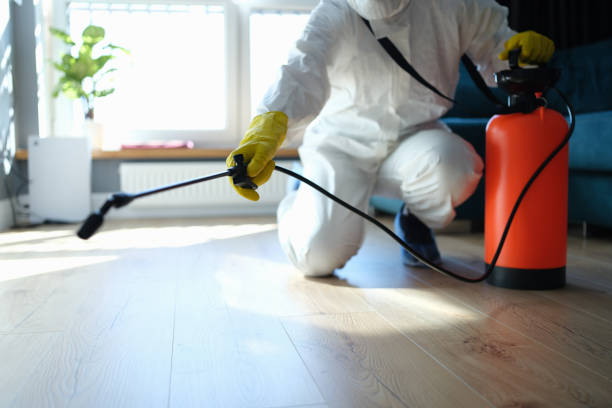
Preparing your home before a professional exterminator arrives is an essential step in ensuring the effectiveness of pest control treatments. Proper preparation not only maximizes the service’s impact but also protects your family, pets, and belongings during the process. Below, we provide detailed guidance on how to ready your home for a pest control visit.
Why Preparation Matters
- Enhanced Efficiency: Proper preparation allows exterminators to reach all necessary areas without obstruction, ensuring comprehensive coverage.
- Safety: Cleaning and organizing your home minimizes exposure to chemicals and keeps you and your family safe.
- Time Savings: A well-prepared home helps professionals complete their tasks efficiently without delays caused by clutter.
General Preparation Checklist
- Remove items from floors in areas where pests have been spotted.
- Clear furniture or objects blocking access to walls or corners so that pest control professionals can inspect and treat those spaces thoroughly.
- Vacuum floors, carpets, and upholstery to eliminate food crumbs or pest debris that could reduce treatment effectiveness.
- Wipe down surfaces to remove grease or residue that might attract pests.
- Store all food in tightly sealed containers or remove it from the kitchen temporarily.
- Place utensils, dishes, and cups inside cabinets or drawers, covering them with plastic wrap if necessary.
- Follow exterminator instructions regarding whether you need to vacate specific rooms during treatment.
- Arrange accommodations for pets if they could be exposed to harmful chemicals.
Living Rooms
- Remove decorative items like rugs, cushions, or throw blankets if they may obstruct access to wall edges.
- Check behind couches and under furniture for signs of infestations such as droppings or nests.
Bedrooms
- Strip bedding from mattresses if bed bugs are being treated.
- Move furniture away from walls so exterminators can inspect crevices thoroughly.
Bathrooms
- Remove hygiene products like toothbrushes, razors, and towels from exposed surfaces.
- Ensure drains are clear of clogs since standing water can attract pests like cockroaches or ants.
Protecting Pets During Pest Control Treatments
- Relocate aquariums outside of treatment zones; ensure they are covered securely.
- Remove pet bedding, toys, food bowls, and litter boxes from areas being treated.
- Keep pets in a separate location until it is safe for them to return (your pest control professional will provide specific guidelines).
| Task | Action Needed | Notes |
| Decluttering | Move items off floors | Focus on corners & near baseboards |
| Cleaning | Vacuum & wipe down surfaces | Avoid leaving out any food |
| Protecting Food/Kitchenware | Seal all food & cover utensils | Use airtight containers |
| Pet Safety | Relocate animals & secure habitats. | Follow vet-approved measures |
Properly preparing your home not only improves the effectiveness of an extermination service but also ensures that treatments are carried out safely with minimal disruption. By following the steps above diligently, you’ll help create an environment conducive to eradicating pests while protecting what matters most—your family’s health and safety.
How to Prepare Your Home When Hiring a Pest Control Company Miami Gardens FL
Proper preparation is crucial when scheduling pest control services to ensure an effective extermination process. Taking the time to ready your home allows exterminators to work efficiently and thoroughly while minimizing any disruptions or risks. Below are the key steps you should follow before your scheduled pest control service.
1. Clean and Declutter Your Spaces
- Vacuum floors and carpets: This removes crumbs, pests, eggs, or debris that might hinder treatment effectiveness.
- Declutter infested areas: Clear spaces like basements, attics, or closets where pests may nest. Stack items neatly or relocate them temporarily if necessary.
- Wipe surfaces: Tables, countertops, and shelves should be cleared of food particles or spills that attract pests.
2. Protect Food, Utensils, and Personal Items
To prevent contamination by pest control chemicals, secure all consumables and personal belongings appropriately.
- Store food in airtight containers or remove it from the treatment area entirely.
- Cover or relocate cookware, dishes, utensils, pet bowls, and water dispensers.
- Use plastic covers for bedding or furniture if advised by your exterminator.
| Items | Suggested Storage Solutions |
| Pantry staples (rice/flour) | Airtight containers/ziplock bags |
| Fruits/vegetables | Refrigerate/remove from rooms |
| Small electronics | Store in sealed storage bins |
3. Access Key Areas of the Home
- Move furniture away from walls so exterminators can check baseboards and cracks.
- Clear under-sink cabinets in kitchens and bathrooms for ant or cockroach treatments.
- Provide access to attics, crawlspaces, basements, or utility rooms as required.
4. Safeguard Pets and Plants
Pets are especially vulnerable during pest treatments due to exposure risks from toxic chemicals.
- Relocate pets (including fish) to a safe area outside the home during treatment hours.
- Remove pet bedding or cages if they’re near infestation zones.
- Cover aquariums with plastic wrap but keep air filtration systems running.
- Move houseplants outdoors temporarily if treatments will be sprayed indoors.
5. Follow Exterminator-Specific Instructions
For example:
Flea Control Preparation – Vacuum carpets thoroughly before treatment begins. – Wash pet bedding at a high temperature.
Bed Bug Treatment – Launder linens at high heat prior to service. – Empty drawers of infested furniture so they can be inspected thoroughly.
Speak with your exterminator beforehand for detailed instructions tailored to your situation.
By following these steps carefully ahead of time you’ll create an environment conducive to effective pest control treatments while safeguarding your household items and loved ones during the process.
Steps to Prepare Your Home for an Exterminator Miami Gardens FL Services
Preparing your home before a professional pest control treatment is essential to maximize the effectiveness of extermination services. By taking the necessary steps, you can ensure the process is efficient and help safeguard your family and property from future infestations. Below, we outline key steps and considerations to prepare for pest control services.

1. Clean Your Home Thoroughly
A clean home not only aids exterminators in accessing all areas but also removes food debris and clutter that may attract pests. Follow these cleaning tips:
– Vacuum carpets, rugs, and floors to remove crumbs, dust, and pest eggs.
– Wipe down surfaces, especially kitchen countertops, where pests are likely to gather.
– Empty trash bins in all rooms of your home.
2. Declutter Affected Areas
Pests often hide in cluttered spaces, making it harder for professionals to reach their hiding spots:
– Remove items like old newspapers, cardboard boxes, or unnecessary storage containers from affected areas. – Organize belongings stored near walls or floors so exterminators can easily access corners or crevices.
3. Secure Food Items
To prevent contamination during treatment:
– Store food items in airtight containers or move them out of treated areas completely. – Remove pet food dishes and store pet food securely.
| Food Storage Checklist | Actions |
| Dry foods (cereal, grains) | Seal in airtight containers |
| Fresh produce | Move to refrigerator |
| Pet food | Store tightly sealed away from treatment zones |
4. Cover or Remove Furniture
Depending on the type of pest being treated:
– Move furniture away from walls so professionals can access baseboards and corners. – Cover large furniture items like sofas with plastic sheeting, particularly if sprays or fumigation methods are being used.
5. Safeguard Children’s Items
Children’s toys and personal belongings should also be protected during pest control treatments:
– Put all toys into sealed boxes or bags. – Wash bedding used by children before returning it to treated rooms.
6. Plan Temporary Relocation if Necessary
Some treatments may require you or your family members (including pets) to leave the house temporarily due to chemical exposure risks:
– Confirm with the exterminator how long you’ll need to vacate the premises. – Arrange alternate accommodations for pets.
7. Communicate with Your Exterminator
Effective communication with your pest control company ensures that both parties are aligned on expectations and preparations:
– Discuss any specific concerns about infestation areas prior to their visit. – Ask about post-treatment cleaning requirements so you’re ready once they finish their work.
By following these steps carefully, not only will you optimize the effectiveness of professional pest control services but also create an environment less conducive to future infestations. Preparing thoroughly demonstrates a proactive approach that supports both short-term extermination needs and long-term prevention goals.
Important Steps for Miami Gardens Pest Removal and Bed Bug Extermination
1. Declutter Your Home
Reducing clutter in your home makes it easier for exterminators to access hidden areas where bed bugs may reside. Follow these guidelines:
– Remove any unnecessary items from floors, under beds, and inside closets. – Avoid transferring clutter to another room, as this can spread the infestation. – Store essential items in sealed plastic bags or bins until after the treatment.
2. Wash and Dry Fabrics
Bed bugs frequently hide in fabrics such as clothing, bedding, and curtains. It’s critical to treat these items before professional services begin:
– Launder all washable fabrics on high heat (at least 120°F) to kill bed bugs and their eggs.
– Dry cleaned-only materials should be placed in a dryer on high heat if possible or handled according to dry cleaning instructions. – Place cleaned fabrics in airtight bags or containers until after extermination.
3. Vacuum Thoroughly
Vacuuming helps remove visible bed bugs, eggs, and debris while reducing hiding spots:
– Pay close attention to mattresses, box springs, carpet edges, furniture seams, and baseboards. – After vacuuming, seal vacuum bags in plastic bags before disposing of them outside your home.
4. Dismantle Bed Frames and Furniture
Inspecting and treating furniture is a critical part of bed bug extermination. Prepare accordingly by:
– Dismantling bed frames so that all joints and crevices are accessible for treatment. – Emptying drawers of dressers, nightstands, and other furniture near sleeping areas. – Moving furniture at least two feet away from walls so professionals can treat baseboards.
5. Protect Personal Belongings
To prevent reinfestation or contamination during the process:
– Store electronics such as laptops or phones in sealed containers when not in use. – Inspect luggage or backpacks thoroughly if they were recently used during travel.
| Items | Preparation Steps |
| Bedding & Linens | Wash/dry on high heat; store securely |
| Clothing | Launder properly; seal cleaned items |
| Furniture | Empty drawers; move away from walls |
| Electronics | Place valuable devices into sealed cases |
6. Inform Your Exterminator About Specific Concerns
Be sure to communicate with the pest control professional about any specific areas of concern or particularly severe infestations you’ve observed. This will enable them to tailor their approach for maximum effectiveness.
By preparing your home with these steps before a professional visit, you can greatly increase the likelihood of eliminating bed bugs completely while protecting your living environment from further issues.
What to Expect from a Pest Control Service in Miami Gardens FL
When dealing with an insect infestation, turning to a professional exterminator ensures effective and lasting results. Understanding what to expect during comprehensive insect control services can help you prepare your home and maximize the success of the treatment. Below is an overview of what to anticipate when hiring professionals for insect control.
Inspection and Assessment
- Identify the type of insects causing the issue (e.g., ants, cockroaches, termites, or wasps).
- Locate entry points, nests, and breeding grounds.
- Assess the severity of the infestation and determine areas needing targeted treatment.
Following this assessment, they will provide you with a detailed plan outlining their proposed treatment methods.
Customized Treatment Plans
- Chemical Treatments: Use of EPA-approved pesticides applied in targeted areas to eliminate pests effectively while minimizing risks to humans and pets.
- Non-Chemical Methods: Implementation of traps, heat treatments, or vacuuming for environmentally sensitive settings or where chemical use is restricted.
- Integrated Pest Management (IPM): Combining various techniques such as sanitation improvements, habitat modification, and baiting systems for long-term results.
Before any treatment begins, professionals will explain these options thoroughly and address any concerns you may have.
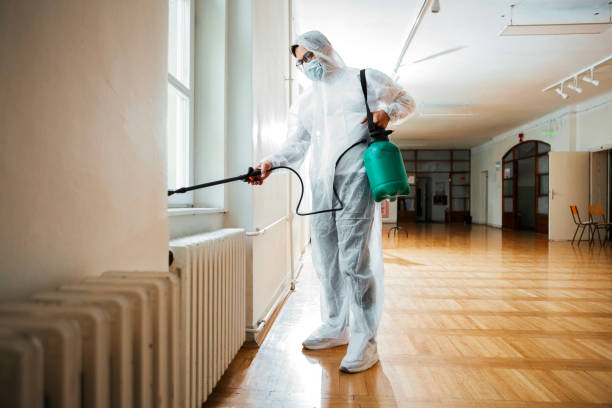
Preparation Instructions for Homeowners
- Declutter Affected Areas: Remove items near walls or infested zones so technicians can access baseboards or cracks where pests hide.
- Clean Surfaces: Wipe down counters and floors to eliminate food residues that attract insects.
- Vacate During Treatment: Depending on the chemicals used, you may need to leave your home temporarily during and after application.
- Protect Belongings: Cover sensitive items like furniture or electronics if advised by your exterminator.
These steps ensure that treatments are applied efficiently while reducing risks during application.
Follow-Up Visits and Maintenance Plans
- Professionals check for residual pests.
- Additional treatments may be applied if needed.
- Recommendations are provided for improving home maintenance strategies (e.g., sealing cracks or fixing leaks).
Some companies offer periodic maintenance plans which include regular inspections and preventive measures designed to keep your home pest-free year-round.
Benefits of Hiring Professional Exterminators
| Benefit | Description |
| Expertise | Technicians are trained in identifying pests accurately and applying targeted solutions. |
| Efficiency | Treatments are faster acting with longer-lasting results compared to store-bought products. |
| Safety | Professionals use regulated chemicals safely while ensuring minimal harm to occupants. |
| Long-Term Prevention | Proactive measures reduce the likelihood of future infestations significantly. |
Hiring an experienced exterminator ultimately saves time, effort, and costs associated with recurring pest problems.
Understanding what professional insect control entails allows homeowners to collaborate effectively with exterminators toward achieving a pest-free environment in their homes. By preparing adequately beforehand and following post-treatment recommendations diligently, you can enjoy a healthier living space free from unwanted guests like insects all year round.
Effective Rodent and Bird Control Solutions for a Pest-Free Home
Rodents and birds can cause significant damage to your property, health, and peace of mind. A pest-free home requires a combination of professional extermination services and proactive preventative measures. Below, we explore effective rodent and bird control solutions to ensure your home remains pest-free.
Common Issues Caused by Rodents and Birds
- Rodents gnaw on wires, insulation, furniture, and even structural components.
- Birds can clog gutters with their nests, leading to water damage.
- Rodents carry diseases such as Hantavirus and Salmonella.
- Birds may spread illnesses like Histoplasmosis or Psittacosis through droppings.
- Both rodents and birds reproduce rapidly, making infestations harder to control over time.
Professional Solutions for Rodent Control
- Identifying entry points such as cracks in walls or poorly sealed windows.
- Locating nesting sites and food sources.
- Use of baited traps (snap traps or live-capture traps) placed strategically for maximum impact.
- Electronic traps may also be employed in sensitive areas.
- Poison bait stations placed in secured areas inaccessible to pets and children.
- These stations are designed to eliminate large rodent populations systematically.
- Sealing entry points with steel wool, caulk, or mesh screens post-removal.
- Installing door sweeps to prevent rodents from re-entering.
Effective Bird Control Strategies
- Installation of bird spikes on ledges or rooftops to prevent roosting.
- Netting systems used in larger spaces like warehouses or courtyards to block access.
- Application of gel-based repellents that create an unpleasant surface for landing.
- Ultrasonic devices that emit high-frequency sounds only birds can hear.
- Safe removal of nests located in chimneys, gutters, or attics while adhering to local wildlife regulations.
- Falconry Services (For Severe Cases):
In some cases where other methods fail, trained falcons may be temporarily introduced on-site by professionals to deter problematic bird species naturally.
Preventative Measures for Long-Term Pest Control
- Keep food stored securely in sealed containers made of metal or thick plastic.
- Regularly clean up crumbs and spills from kitchen counters and floors.
- Trim tree branches near your roofline that might provide access points for birds or rodents.
- Secure lids tightly on trash cans both indoors and outdoors.
- Inspect your attic regularly for signs of nesting materials like shredded paper or feathers.
| Pest Type | Common Entry Points | Effective Preventative Action |
| Rodents | Cracks in walls/foundations | Seal gaps with steel wool & caulk |
| Birds | Chimneys/gutters/rooftops | Install netting/spikes; remove old nests |
By combining professional extermination services with diligent efforts at home, you can effectively protect your property from rodent and bird infestations while maintaining a safe living environment for your family.
Preparing Your Kitchen and Living Spaces for an Effective Extermination Process
A professional extermination service is essential for maintaining a pest-free home, but the success of the process also depends on how well you prepare your kitchen and living spaces. This preparation ensures that the treatment is thorough, efficient, and safe. Below are detailed steps to help you get your kitchen and living areas ready before exterminators arrive.
Steps to Prepare Your Kitchen
The kitchen is a high-traffic zone for pests due to food storage and preparation. Proper preparation in this area helps maximize the effectiveness of extermination treatments.
- Remove all utensils, small appliances (toasters, coffee makers), and decorative items from countertops.
- Wipe down surfaces with a mild cleaning solution to clear away crumbs or food residue.
- Seal all food in airtight containers or remove it from the kitchen temporarily.
- Place utensils, dishes, pots, and pans in cabinets or cover them securely with plastic sheets.
- Take out items stored in cabinets or drawers that might be treated during extermination (e.g., under-sink cabinets).
- Wipe down these areas to clear dust or food remnants.
- Sweep and mop floors to remove debris or spilled food particles that might attract pests during treatment.
- Unplug appliances such as microwaves or refrigerators if necessary (confirm with your pest control provider).
Tips for Preparing Living Spaces
Living rooms, bedrooms, and other common areas also require attention before an exterminator visit to ensure proper pest control treatment coverage.
- Declutter Rooms:
Remove clutter such as stacks of newspapers, magazines, cardboard boxes, or other items that could provide hiding spots for pests. - Vacuum Carpets and Rugs:
Vacuuming helps eliminate dust mites, insect eggs, or debris that might interfere with pesticide application. - Move Furniture Away from Walls:
Shift furniture like sofas, chairs, or tables at least one foot away from walls to give exterminators access to baseboards where pests often hide. - Protect Soft Furnishings:
Cover fabrics (sofas, chairs) with plastic sheeting if instructed by your pest control professional.
Essential Safety Measures
- Keep pets confined to a separate room during the process.
- Notify exterminators about infants’ play areas so they can take additional care when treating those sections.
- Inform household members about restricted spaces after treatment until it’s safe to re-enter treated zones based on expert recommendations.
Table: At-a-Glance Checklist for Preparation
| Area | Key Actions | Notes |
| Kitchen | Clear countertops; store food securely | Focus on cleaning hidden spots |
| Living Spaces | Declutter rooms; vacuum carpets | Pay extra attention near walls |
| Safety Precautions | Isolate pets; inform about sensitive spaces | Follow professional guidelines |
Proper preparation ensures a seamless experience during pest extermination while safeguarding your home environment. Adhering closely to these steps makes it easier for professionals to address pest issues effectively while minimizing post-treatment disruptions in your daily routine.
Preparing Your Kitchen and Living Spaces for an Effective Extermination Process
Proper preparation of your kitchen and living spaces is vital to ensure the success of any extermination process. By taking specific steps before the professionals arrive, you not only help them perform their job more effectively but also safeguard your belongings and minimize disruption to your daily routine. Follow these guidelines to prepare your home thoroughly.
Steps to Prepare Your Kitchen
The kitchen is often a hotspot for pests due to readily available food and water sources. Properly preparing this area can make pest control treatments more efficient.
- Clean Counters and Surfaces: Remove all food crumbs, grease, and spills from countertops, stovetops, and other surfaces.
- Empty Cabinets: Clear out cabinets and drawers where pests might hide or where chemical treatments may be applied.
- Store non-perishable items in sealed plastic containers.
- Place perishable foods in the refrigerator or an airtight cooler.
- Wash Dishes: Clean all dishes, utensils, pots, and pans before treatment day. Store them in a secure location like a dishwasher or plastic bins with lids.
- Remove Appliances: Move small appliances (toasters, coffee makers) away from walls to allow easier access for exterminators.
| Area | Task | Notes |
| Countertops | Wipe clean | Avoid using harsh cleaning agents |
| Cabinets | Empty entirely | Use sealed storage containers |
| Sink | Clear dirty dishes | Dry completely after cleaning |
| Trash Bins | Empty and sanitize | Dispose of waste properly |
Preparing Living Spaces
Living areas also need attention during extermination processes as pests can hide anywhere in the home.
- Clear floors of items like toys, magazines, or clutter that could obstruct access to baseboards or corners.
- Minimize objects on shelves so exterminators can treat hard-to-reach areas effectively.
- Focus on vacuuming under furniture such as sofas or beds where pests might reside.
- Dispose of the vacuum bag immediately in a sealed garbage bag outside of your home.
- Use plastic covers or sheets to protect furniture from potential chemical residue during treatment.
Additional Steps for Both Areas
- Move Large Furniture Pieces: Relocate couches, tables, refrigerators, or heavy chairs at least two feet away from walls so technicians can treat cracks and crevices effectively.
- Secure Pets and Plants: Temporary relocation of pets (including aquariums) is recommended along with moving sensitive plants outdoors if possible.
Aftercare After Extermination
Once professionals complete their work: – Wait for the recommended time before entering treated areas. – Wipe down surfaces meant for food preparation but avoid deep cleaning immediately as it may dilute pesticides applied by exterminators.
Proper preparation creates a pest-free environment while ensuring effective results from professional services.
- Understanding the Role of a Pest Control Company in Miami Gardens FL and Why Their Services are Essential
- How to Prepare for a Visit from a Pest Control Company Miami Gardens FL
- How to Prepare Your Home for a Miami Gardens FL Pest Control Visit
- Comprehensive Insights Into What an Exterminator Miami Gardens FL Can Do for Professional Pest Control Services
- Essential Steps to Take After a Pest Control Company Miami Gardens FL Sprays for Roaches
- Preparing Your Home for Miami Gardens Pest Removal: A Complete Guide