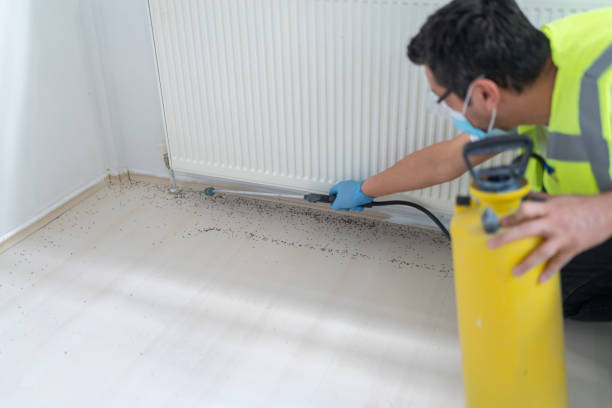
An exterminator plays a pivotal role in maintaining health, safety, and comfort by managing pest infestations in residential, commercial, and industrial spaces. These professionals are trained to identify, manage, and eliminate various pests that can cause structural damage, spread diseases, and create discomfort. Understanding their roles offers a clearer perspective on how they contribute to pest-free living environments.
Key Responsibilities of an Exterminator
- Conduct thorough inspections of properties to identify pest infestations.
- Assess the type of pests present (e.g., rodents, insects, termites) and evaluate the extent of the infestation.
- Examine entry points such as cracks, windows, drains, or ventilation systems.
- Differentiate between species to tailor treatment plans appropriately.
- For example: | Pest Type | Common Indicators | |——————-|————————————–| | Termites | Mud tubes on walls or wood damage | | Rodents | Droppings or gnaw marks | | Cockroaches | Egg cases or musty smells |
- Design solutions that address the specific needs of the customer while considering safety requirements.
- The plans may include chemical treatments (like insecticides), non-chemical options (such as traps), or integrated pest management (IPM) techniques.
- Apply pesticides safely using sprays or fumigation techniques for insects like bed bugs and cockroaches.
- Set up traps for rodents in locations where they are most active.
- Implement physical barriers to prevent future infestations.
- Sealing cracks in walls or foundations.
- Keeping food stored in airtight containers.
- Maintaining clean living environments to deter pests from nesting.
- Conduct follow-up visits to ensure effectiveness of treatments.
- Adjust plans if necessary based on pest activity after initial interventions.
Skills Required for a Professional Exterminator
- Attention to Detail: Spotting signs like droppings, damaged materials, or unusual smells early is crucial for effective eradication.
- Problem-Solving Abilities: Assessing infestation patterns allows exterminators to choose strategies that deliver long-term results.
- Strong Knowledge Base: Understanding chemical compositions, safety protocols when handling pesticides, and local regulations ensures compliance with industry standards.
Tools Commonly Used by Exterminators
| Tool | Purpose |
| Sprayers | Applying liquid insecticides |
| Fogging Machines | Dispersing chemicals in hard-to-reach areas |
| UV Flashlights | Locating bed bugs during inspections |
| Snap Traps | Catching rodents |
Why Hire an Exterminator?
- Access to specialized equipment not available commercially.
- Expertise in identifying hidden nesting locations that may otherwise be overlooked.
- Ability to utilize environmentally friendly solutions where appropriate.
A Guide to Miami Gardens FL Pest Control and the Most Common Extermination Methods
Pest control treatments are essential for maintaining clean, safe, and healthy spaces in both residential and commercial environments. These treatments target a wide variety of pests, including insects, rodents, and other unwanted creatures that can damage property or pose health risks. By understanding the most common methods of extermination, homeowners and business owners can make informed decisions when dealing with infestations.
Common Pest Control Methods
- Insecticides: These are specifically designed to kill insects such as ants, roaches, spiders, and flies. They come in sprays, powders, or liquids depending on the application.
- Rodenticides: Targeting rodents like mice or rats, these chemicals include bait stations or traps infused with poison.
- Fumigation: A more intensive method often used for severe infestations where an entire building may be sealed off and treated with gaseous pesticides.
- Ladybugs can be used to reduce aphid populations.
- Nematodes (microscopic worms) may be introduced into soil to kill grubs or termites.
- Traps: Sticky traps for insects like cockroaches or snap traps for rodents.
- Screens: Installing window screens to prevent flying insects from entering homes.
- Sealing cracks: Blocking potential entry points for pests using caulk or other materials.
- Integrated Pest Management (IPM)
Integrated Pest Management is a holistic approach where multiple methods are combined: - Monitoring pest activity through inspections.
- Employing preventive measures such as better sanitation and structural repairs.
- Using targeted chemical applications only when necessary.
- Heat Treatments
This method involves raising the temperature within a space to levels lethal for certain pests like bed bugs. Heat treatments are chemical-free and effective but require specialized equipment.
Key Factors That Determine Treatment Selection
| Factor | Importance |
| Type of Pest | Identifying the specific pest determines which treatment will be most effective. |
| Infestation Severity | Larger infestations may require more aggressive solutions such as fumigation or multiple visits. |
| Home Environment | Homes with pets or children often need non-toxic alternatives like IPM or biological controls. |
| Structural Conditions | Cracks in walls, damp areas, or clutter can influence treatment choice and effectiveness over time. |
Benefits of Professional Pest Control Treatments
- Expertise in identifying hidden infestations within walls or floors.
- Access to advanced equipment unavailable commercially for DIY use.
- Long-term prevention strategies implemented alongside immediate removal tactics.
Pest control treatments play a fundamental role in maintaining a hygienic environment while preventing costly damage caused by unchecked pest populations over time. With advancements in technology and eco-conscious techniques now widely embraced by professionals across industries alike—effective extermination has become safer than ever before without compromising results that truly last long-term solutions growingly preferred globally too today .

Effective Miami Gardens Pest Removal: A Guide to Common Extermination Methods
Pest control treatments are essential for managing and eliminating pests that can harm human health, damage property, or disrupt everyday life. Professional exterminators use a variety of methods tailored to the type of pest, the severity of the infestation, and the environment in which the pests are found. Understanding these treatments can help homeowners and businesses make informed decisions when facing pest problems.
Effective Pest Control Service Miami Gardens FL: Types of Treatments
1. Chemical Treatments
- Residual Sprays: Applied to surfaces where pests travel or hide.
- Baits and Gels: Used for targeted pest control by attracting pests to consume poisoned food (commonly used for ants and cockroaches).
- Fumigation: A comprehensive solution where an entire structure is sealed and filled with gas to eradicate pests such as termites or bed bugs.
2. Biological Control
- Introducing ladybugs or parasitic wasps to control aphids in gardens.
- Using nematodes (microscopic worms) to target soil-based insects like grubs.
This environmentally friendly option is often used in agricultural settings.
3. Mechanical & Physical Control
- Installing traps (e.g., mouse traps, sticky traps).
- Using barriers like screens on windows and doors.
- Employing vacuuming techniques for insects like bed bugs.
4. Heat Treatment
Heat treatment eliminates bed bugs and other heat-sensitive pests through sustained high temperatures in affected areas or furniture items.
Comparison Table: Common Pest Control Methods
| Method | Best For | Pros | Cons |
| Chemical Treatment | Cockroaches, ants, termites | Fast results | Potential chemical exposure risks |
| Biological Control | Garden pests like aphids | Eco-friendly | Slower than chemical alternatives |
| Mechanical/Physical | Rodents, bed bugs | No chemical use | Labor-intensive; may require effort |
| Heat Treatment | Bed bugs | Effective without chemicals | May not be suitable for all materials |
Preventative Strategies Post-Treatment
- Seal cracks and gaps around windows, doors, and foundations.
- Store food in airtight containers.
- Regularly clean kitchens and dining areas to remove food debris.
- Use dehumidifiers in damp areas like basements that attract moisture-loving pests.
- Schedule routine inspections with professional exterminators.
Selecting the right treatment often requires a professional assessment by licensed exterminators who evaluate factors such as infestation size and environmental considerations while adhering strictly to safety protocols during application processes.
Effective pest control treatment not only restores comfort but ensures long-term protection against harmful infestations impacting homes or businesses alike.
The Main Purpose of Pest Control: Protecting Homes, Businesses, and Agriculture from Pests
Pest control plays a critical role in safeguarding homes, businesses, and agricultural lands from the harmful effects of pests. Whether you are dealing with termites that threaten the structural integrity of a home, rodents that contaminate food in businesses, or insects that destroy crops, pest control ensures these nuisances are effectively managed. Below is a comprehensive look at why pest control is essential across different sectors.
Protecting Homes from Pests
- Preserving Structural Integrity: Termites can cause severe damage to wooden structures, compromising the foundation of homes over time.
- Maintaining Health Standards: Cockroaches, rodents, and other pests can carry bacteria and pathogens that may lead to illnesses such as salmonella or hantavirus.
- Preventing Property Damage: Rodents often chew through electrical wiring and insulation materials, creating a potential fire hazard.
Effective residential pest control involves routine inspections and proactive treatment measures like sealing cracks or applying appropriate pesticides.
Safeguarding Businesses from Pest Infestations
- Protecting Inventory: Food manufacturing facilities or restaurants must guard against infestations by rodents or insects that could spoil products.
- Compliance with Health Regulations: Many industries are required by law to uphold strict hygiene standards. Failure to do so due to pests could result in penalties or business closure.
- Customer Satisfaction: Visible signs of pests can deter customers and negatively impact the business image.
For businesses, Integrated Pest Management (IPM) programs combining preventive measures with targeted treatments are often employed to ensure long-term protection.
Importance for Agriculture
| Common Agricultural Pests | Potential Damage | Methods of Control |
| Aphids | Sap extraction reduces plant growth | Natural predators like ladybugs; insecticides |
| Armyworms | Defoliation of crops | Biological controls; crop rotation |
| Weevils | Grain infestation | Proper storage; fumigation |
By employing environmentally safe practices such as biological controls or organic pesticides, farmers can balance effective pest elimination with sustainable farming methods.
Broader Impacts of Pest Control
- Reduction of Disease Transmission: Effective eradication programs help limit diseases carried by mosquitoes (e.g., malaria) or rats (e.g., leptospirosis).
- Economic Benefits: Preventable damages caused by pests save billions annually in repair costs across industries.
- Environmental Protection: Targeted approaches reduce reliance on broad-spectrum pesticides that might harm beneficial organisms.
Pest control’s primary purpose goes beyond mere eradication—it focuses on protecting assets while promoting health and safety across various sectors. Employing professional exterminators who use modern techniques ensures this critical goal is consistently achieved in homes, workplaces, and agricultural settings alike.
Keeping Your Home Ant-Free: Proven Strategies to Stop Ants from Invading Indoors
Ant infestations are not only irritating but can also pose health risks and damage property. Understanding how to prevent ants from entering your home is essential for maintaining a clean and comfortable living space. Below is a guide on proven strategies to stop ants from invading indoors.
Identify the Source of the Problem
Before implementing preventative measures, it’s important to identify where the ants are coming from and what’s attracting them. Common signs of an ant infestation include:
– Trails of ants leading into your home.
– Small piles of dirt near cracks or crevices (indicating potential nests).
– Ant activity around food or moisture sources.
Once you’ve identified their entry points and what they’re seeking, you can target your efforts more effectively.
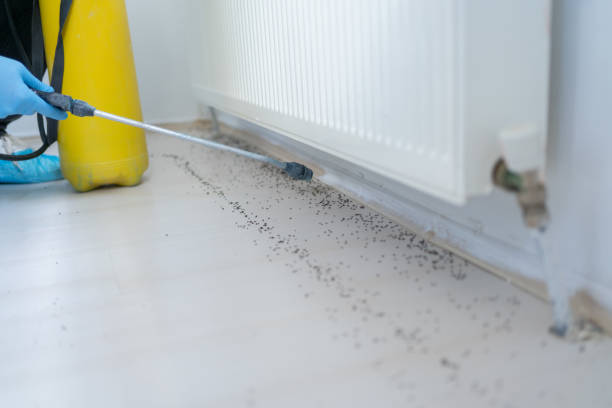
Seal Entry Points
Ants often gain access to homes through tiny cracks and openings in walls, windows, or doors. To block their entry:
1. Inspect your home for gaps in baseboards, foundations, and window frames.
2. Use caulk or weatherstripping to seal cracks and crevices where ants may enter.
3. Repair damaged screens on windows or ventilation areas to keep pests out.
Sealing entry points not only prevents ants but also keeps other pests from entering your home.
Maintain Cleanliness Indoors
Steps for Cleaner Living Spaces:
– Wipe down countertops regularly with a solution of vinegar and water (vinegar disrupts ant trails).
– Sweep and vacuum floors daily to remove any food crumbs or debris.
– Dispose of garbage frequently in sealed trash bins. – Store pantry items like sugar, flour, and cereals in airtight containers.
A clean environment eliminates the resources that attract ants in the first place.
Use Natural Deterrents
For those looking for chemical-free ways to deter ants:
– Peppermint Oil: Place cotton balls soaked with peppermint oil near entry points. The strong scent repels ants effectively. – Diatomaceous Earth (Food Grade): Sprinkle this natural powder around windowsills or under appliances; it dehydrates insects upon contact. – Citrus Peels: Scatter lemon or orange peels near areas prone to ant activity as citrus repels most species.
These methods are safe alternatives that protect both your family and pets while driving away unwanted pests.
Deploy Ant Baits Strategically
If an infestation has already occurred, bait traps can help eliminate colonies by targeting them at their source:
Types of Effective Ant Baits:
| Active Ingredient | Targeted Ant Species | Usage Notes | |——————–|———————-|——————————| | Borax | Sugar-loving ants | Place near trails; slow but effective over time | | Hydramethylnon | Carpenter/fire ants | Ideal for aggressive colonies; use sparingly |
Place baits in areas frequented by ants but out of reach of children or pets for safety purposes.
Monitor Outdoor Areas Around Your Home
Preventing outdoor infestations can reduce the risk of indoor invasions as well: 1. Trim tree branches that touch your house—these serve as “bridges” for ants. 2. Regularly check gardens for aphid infestations since aphids produce honeydew that attracts ants. 3. Keep firewood stored away from walls—ants often nest there before migrating indoors.
By maintaining cleanliness outside along with these precautions inside, you create a comprehensive defense system against ant invasions.
Effective pest management begins with understanding their behavior patterns and addressing potential vulnerabilities within your home environment promptly.
Effective Solutions from a Pest Control Company Miami Gardens FL: Eliminating Carpenter Ant Infestations
Carpenter ants are not just a nuisance; they can cause significant structural damage to your home if left unaddressed. Unlike termites, carpenter ants do not eat wood but rather excavate it to create tunnels and nesting spaces. This article provides insight into how professional exterminators tackle carpenter ant infestations and the proactive steps homeowners can take to protect their property.
Identifying the Problem: Signs of a Carpenter Ant Infestation
The first step in addressing a carpenter ant infestation is correctly identifying it. Some common signs include:
– Sawdust-like material (frass): This is the waste produced as carpenter ants excavate wood for their nests.
– Rustling noises within walls: If you hear faint sounds of movement inside wooden structures or walls, this could indicate activity.
– Winged ants indoors: Winged carpenter ants often emerge during mating season and are mistaken for termites.
– Hollow-sounding wood: If tapping on wooden beams or furniture produces a hollow sound, it may indicate internal damage caused by an infestation.
Step-by-Step Approach to Eradicating Carpenter Ants
1. Inspection and Assessment
Exterminators begin with a thorough evaluation of your home to locate nests and determine the scale of the infestation. They look for moisture issues, structural damage, and potential entry points such as cracks, gaps, or decaying wood.
2. Targeted Treatment Methods
Professionals employ various methods tailored to the specific needs of each situation:
– Baiting Systems: Ant baits containing slow-acting insecticides are strategically placed near nests or trails. The worker ants carry the bait back to their colony, leading to its gradual elimination. – Direct Application Insecticides: Dusts or sprays may be injected directly into wall voids or other nest sites. – Moisture Control: Since carpenter ants prefer damp environments, resolving leaks or ventilation issues helps deter them from nesting in your home.
3. Sealing Entry Points
After eliminating active nests, exterminators seal cracks around doors, windowsills, pipes, and foundations that could serve as entry points for future infestations.
4. Preventive Measures for Long-Term Protection
To prevent reinfestation, professionals advise homeowners on best practices such as:
– Storing firewood away from the house and off the ground. – Trimming tree branches that touch your home’s exterior. – Addressing water leaks quickly to reduce moisture levels indoors.
| Problem | Solution |
| Damp wood | Fix leaks promptly; improve ventilation |
| Cracks in structure | Use caulk/sealant to close gaps |
| Food crumbs indoors | Regular cleaning routines |
- Understanding the Role of a Pest Control Company in Miami Gardens FL and Why Their Services are Essential
- How to Prepare for a Visit from a Pest Control Company Miami Gardens FL
- How to Prepare Your Home for a Miami Gardens FL Pest Control Visit
- Comprehensive Insights Into What an Exterminator Miami Gardens FL Can Do for Professional Pest Control Services
- Essential Steps to Take After a Pest Control Company Miami Gardens FL Sprays for Roaches
- Preparing Your Home for Miami Gardens Pest Removal: A Complete Guide